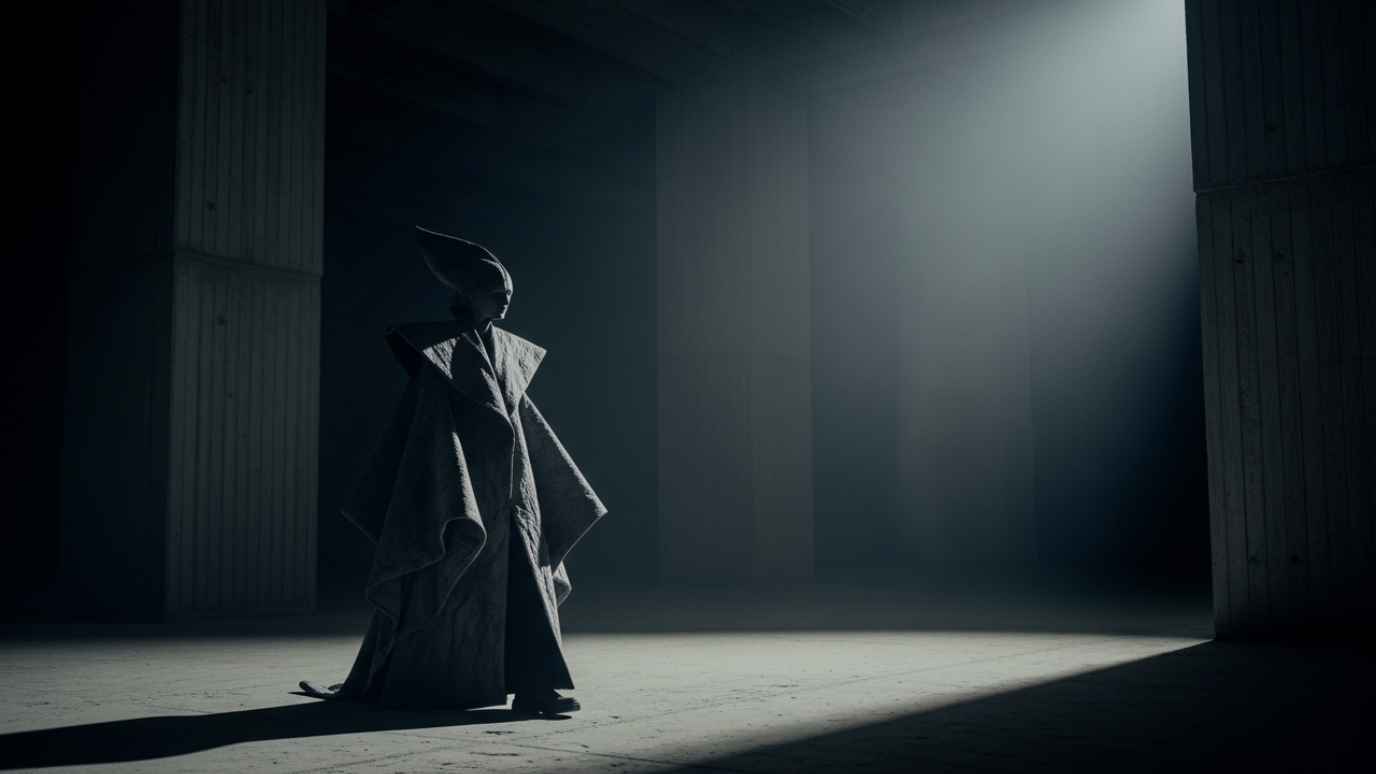
When we started Xero Error in late 2023, the only honest pitch we could make to ourselves was this: we have eighteen months, a fraction of a Hollywood-comparable budget, and a render farm that, on a good day, will run for thirty-six hours straight before something melts. The film is the first CGI sci-fi feature produced independently in the United Arab Emirates. It is also, by some margin, the largest creative bet our studio has ever placed.
THE PIPELINE
We made an early decision to keep the entire production in-house: previs, animation, lookdev, lighting, comp, edit, sound. Outsourcing felt like the obvious shortcut, but every studio we knew that had tried it on a similar scale had come back with the same warning — once the bill of materials leaves your building, you lose the ability to iterate at the speed a film like this demands.
So we built a lean pipeline on Houdini, Maya, Karma and Nuke, with a small in-house render orchestrator we call ‘Daybreak’. Daybreak is unglamorous: ten thousand lines of Python that schedules jobs, kills runaway processes, and emails me when something is on fire. It saved us six months.
COMPROMISES WE'D MAKE AGAIN
- →We boarded every single shot in pencil before any 3D was built. No exceptions.
- →We used real-world reference photography for every CG environment — sand, light, dust.
- →We capped hero asset detail aggressively. Nobody noticed.
- →We rendered the entire film in 2K and uprezzed for theatrical. Nobody noticed that either.
COMPROMISES WE WOULDN'T
We did not, at any point, lower the bar on sound design or score. Karim spent six weeks alone on the opening sequence’s atmospheric bed, and you can hear it in every screening.
Xero Error premieres internationally this autumn. The team is, as I write this, asleep. We earned it.